


Demystifying Liquidity Pools:
The heart of digital asset trading
Imagine you're at a foreign currency exchange booth in an airport, ready to swap your dollars for euros. This booth, just like a regular bank, has a stash of both currencies to facilitate these exchanges.
Similarly, in the world of digital assets, there exists a vital mechanism known as a "Liquidity Pool". Let's delve deeper into this concept to unravel its significance and how it works.
What is a Liquidity Pool?
Liquidity pools are considered a cornerstone on decentralized finance, representing a mechanism that harnesses the power of smart contracts to provide seamless and efficient trading experiences for users. At its core, a Liquidity Pool involves locking up a specific quantity of two distinct digital currencies within a smart contract, creating a reservoir of liquidity. These two digital currencies are often referred to as trading pairs.
In the world of cryptocurrency trading, Decentralized Exchanges (DEXes) like Uniswap have introduced a groundbreaking approach that differs from traditional exchanges. Instead of relying on the traditional "order book" model, DEXes employ a concept known as a "liquidity pool", revolutionizing how markets operate. Liquidity pool represents a remarkable innovation in the digital assets industry. These liquidity pools function as self-executing contracts, allowing any user to become a market maker by providing liquidity for a specific pair of assets that others wish to trade. In return for this service, liquidity providers earn fees, democratizing a function that was previously reserved for large institutional players.
A liquidity pool functions as a self-executing contract that allows any user to become a market maker by providing liquidity for a specific pair of assets that others wish to trade.For example, if a user provides liquidity in the form of Bitcoin (BTC) and USD Coin (USDC) to a pool, they enable other users to trade between these two assets seamlessly. In return for providing this service, liquidity providers earn a portion of the trading fees generated by the pool. This democratizes a function that was previously reserved for large institutional players.Some of the key advantages of acting as a liquidity pool provider would be the profits taken with the trading fees, the benefits of a democratic market making setup, a much higher market efficiency if compared to centralized exchanges or traditional finance, and access to several different trading pairs.We will explore some of these main advantages more in-depth so you are able to understand why XcelFi is the best option for your alternative investments allocation.
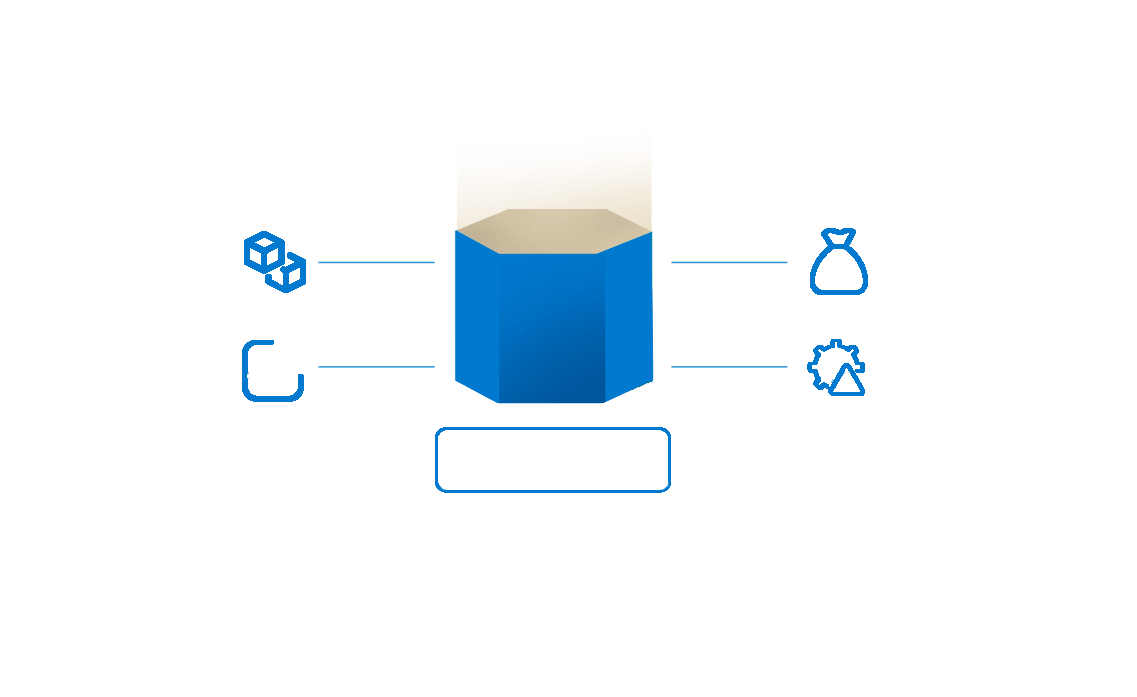
To facilitate the smooth operation of liquidity pools, additional elements like Automated Market Makers (AMMs) come into play. AMMs leverage mathematical formulas to maintain the balance of these pools automatically. For a simplified understanding, consider the scenario when someone wants to exchange Token A for Token B. In the world of liquidity pools, there's no need to place a buy order and wait for its execution. Instead, the exchange occurs within the A/B liquidity pool, which consists of tokens supplied by various users, each of whom earns fees for their participation. However, the law of supply and demand influences the balance of tokens within the pool. When there's an imbalance between tokens A and B, more tokens of one type are required to obtain the same amount as the other.

When a company becomes a liquidity provider and supplies a pair of assets to a liquidity pool, they receive "receipts" known as LP tokens (Liquidity Provider tokens). These LP tokens represent the provider's ownership percentage within the total liquidity pool. The fees earned by liquidity providers are calculated based on this ownership percentage and are subsequently distributed proportionally among all liquidity providers. It's essential to note that the fees collected by a DEX are directed back to the liquidity providers. The remainder of the fees is utilized to cover the execution costs of the smart contracts on the Ethereum network, ensuring the efficient functioning of the ecosystem while avoiding the accumulation of surplus capital.

Imagine Alice and Bob both want to participate in a liquidity pool on a DEX: Alice provides 10 ETH and 10,000 USDC, creating a pool for this trading pair. Bob, a trader, wants to swap 1 ETH for USDC. He interacts with the pool, and the smart contract automatically facilitates the trade using the available liquidity. As Bob's trade incurs a fee, a portion of that fee goes to Alice for providing the liquidity.By participating in the liquidity pool, Alice earns fees from every trade that occurs within the pool, generating passive income. She also contributes to a more efficient market, benefiting other traders like Bob by reducing price slippage and providing immediate liquidity.
Diving deep into the example:
Let's explore the example a bit more to make sure you understand how XcelFi (and you) will profit as a liquidity pool provider.
In the example above, Alice’s profits would come from:
-> The Earning Fees: The fee collected from Bob's trade (3 USDC) is added to the pool. This fee is distributed among all liquidity providers proportionally to their share of the pool. Since Alice is the only provider in this simplified example, she receives the entire fee.
-> Accumulating Rewards: As more traders like Bob use the pool to swap between ETH and USDC, more fees are collected and added to the pool. Alice continues to earn a portion of these fees as long as she maintains her liquidity in the pool.
-> Growth of Alice's Investment: Over time, the fees collected from numerous trades increase the total amount of assets in the pool. If Alice decides to withdraw her liquidity, she will receive her initial deposit plus her share of the accumulated fees.
Example Calculation -> Initial Pool Composition: 10 BTC & 10,000 USDC.
After Bob's Trade, Alice's liquidity pool would have: 11 BTC (10 BTC from Alice + 1 BTC from Bob) +9,003 USDC (10,000 USDC from Alice - 1,000 USDC given to Bob + 3 USDC fee from Bob).
Therefore, Alice's earnings come from Bob's trade fee of 3 USDC.
As more trades occur, these fees accumulate, increasing the value of Alice's position in the pool. Alice’s earnings overtime also come from the asset’s valuation (BTC, in this case).
Liquidity Provider Pool x Reit
A liquidity provider shares similarities with a Real Estate Investment Trust (REIT) in that both involve generating passive income through asset ownership.
Just as a REIT owns and manages real estate properties to generate rental income, a liquidity provider supplies assets to decentralized finance (DeFi) platforms, earning fees from trading activities in the liquidity pool. However, liquidity provision in DeFi offers several advantages over traditional REIT investments.

DeFi liquidity providers enjoy greater accessibility and flexibility since they can participate with smaller capital amounts and adjust their positions easily.

DeFi liquidity provision operates 24/7, providing continuous income potential compared to periodic rental payments in real estate.

DeFi liquidity provision typically involves lower barriers to entry and fewer overhead costs compared to owning physical real estate assets, making it a more accessible and efficient investment option for a wider range of investors.
the benefits of a liquidity pool provider
Effortless Exchanges
Liquidity Pools simplify the trading process by ensuring that there is always a ready supply of both digital currencies in the pool. Traders can swiftly swap one digital currency for another without the need for a counterparty.
Reduced Slippage
In traditional markets, when you try to buy or sell a large quantity of an asset, it often results in a price difference between the initial order and the final execution. This is known as slippage. Liquidity Pools help minimize slippage by providing ample liquidity, even for substantial trades.
Continuous Availability
Liquidity Pools operate 24/7, allowing users to trade digital currencies at any time, irrespective of global time zones or market hours. This accessibility is a stark contrast to traditional financial systems with limited operating hours.

Decentralization
In a Liquidity Pool, there is no centralized authority or intermediary. The entire process is executed through smart contracts on blockchain networks, fostering trust and transparency among users.

Profit Potential
Liquidity Providers (LPs) who contribute assets to these pools are rewarded with fees generated from the trades. This presents an opportunity for users to earn a passive income while providing liquidity to the market.

Innovation Hub
Liquidity Pools are often at the forefront of DeFi innovation. They enable novel features such as yield farming, liquidity mining, and decentralized exchanges (DEXs), expanding the scope of possibilities within the crypto ecosystem.

High potential for return and payback
The entry point is favorable, as pool setup can occur in a pre-bull market phase, maximizing gains through asset appreciation and fees generated from pools.

Excellent Track Record
Due to pool publicity, APRs can be observed on public websites, indicating consistent profitability and constant volume growth in this market.
different types of liquidity providers
Liquidity Pool is the lifeblood of DeFi, powering digital asset trading and transforming it into a decentralized, efficient, and user-friendly experience.
It acts as a bridge connecting digital currencies, ensuring liquidity, and reducing trading friction. With its numerous benefits and role in fostering financial inclusivity, Liquidity Pools are poised to remain a driving force in the ever-evolving landscape of digital finance. As this technology continues to mature, it promises to unlock even more opportunities and revolutionize the way we trade and interact with digital assets.
Liquidity providers play a crucial role by supplying assets to decentralized exchanges and lending platforms, thereby enabling various financial services to operate smoothly. There are different types of liquidity providers in DeFi, each with its characteristics and motivations:
Individual Liquidity Providers
These are individual users who provide liquidity to DeFi platforms. They do this by depositing a pair of assets into a liquidity pool. In return, they receive LP (Liquidity Provider) tokens that represent their share of the pool. These users can earn fees from trading and other activities on the platform. Individual liquidity providers may participate for various reasons, including earning passive income, supporting the DeFi ecosystem, or gaining exposure to specific assets.
Institutional Liquidity Providers
Traditional financial institutions and crypto-native companies may also participate as liquidity providers in DeFi. These entities often provide more significant amounts of liquidity compared to individual users. They are drawn to DeFi for its potential yield opportunities, portfolio diversification, and the ability to engage in decentralized finance without intermediaries.
Automated Market Makers (AMM)
and Liquidity Pool Managers
Some DeFi protocols employ automated market makers, which are algorithms that automatically determine asset prices and facilitate trades. Liquidity pool managers are responsible for setting the parameters of these AMMs, such as price ranges and fees. They allocate capital to the pools and manage risk. These actors can be individual users, teams, or organizations specializing in optimizing DeFi liquidity pools.
Token Projects
Projects that issue tokens often act as liquidity providers to bootstrap liquidity for their assets. They may allocate a portion of their token supply to provide liquidity in their native token's trading pairs. This helps attract traders and provides initial liquidity until the broader community of users takes over.
Arbitrageurs
Arbitrageurs are traders who profit from price differences between different markets. In DeFi, they often play a vital role in ensuring that prices across decentralized exchanges remain in sync with the broader market. They do this by executing trades to take advantage of discrepancies in asset prices, which helps keep the system efficient.
Yield Farmers
Yield farmers are users who actively seek out opportunities to maximize their returns by moving their assets between different DeFi protocols. They often shift their liquidity to pools with the highest yield and incentives, such as governance tokens or LP token rewards. This behavior can help distribute liquidity across various DeFi platforms.
Governance Liquidity Providers
Some DeFi projects incentivize liquidity providers with governance tokens, granting them voting rights in the protocol's decision-making process. These liquidity providers are motivated not only by fees but also by having a say in the project's future direction.
Liquidity Providers on Cross-Chain Platforms
With the rise of cross-chain DeFi solutions, liquidity providers can bridge assets between different blockchain networks, enabling interoperability and access to a wider range of assets.
It's important to note that the motivations and strategies of liquidity providers can vary widely. Some seek stable and predictable returns, while others are more opportunistic and adapt to changing market conditions. Regardless of their type, liquidity providers are fundamental to the functionality and liquidity of DeFi platforms, facilitating trading, lending, and borrowing activities for the broader crypto ecosystem.
Our role: Bridging the gap as a digital currency exchange
XcelFi functions as a Liquidity Pool within the digital market, somewhat akin to a traditional currency exchange service. To put it simply, we are a Digital Currency Exchange.
It acts as a bridge connecting digital currencies, ensuring liquidity, and reducing trading friction. With its numerous benefits and role in fostering financial inclusivity, Liquidity Pools are poised to remain a driving force in the ever-evolving landscape of digital finance. As this technology continues to mature, it promises to unlock even more opportunities and revolutionize the way we trade and interact with digital assets.
The key to success: asset selection
Now, here's where the adventure gets interesting. While we serve as a conduit for digital currency exchanges, we also profit from the asset’s valuation of the assets we've chosen to include in our liquidity pool.
This presents an opportunity for potentially higher profits, but it comes with a critical caveat: the selection of top-tier digital assets. Opting for renowned and reliable digital currencies is paramount to ensure the stability and performance of our liquidity pool.

In our journey to redefine the dynamics of the digital asset trading landscape, we have strategically chosen Uniswap as our primary platform for crafting Liquidity Pools. Uniswap, a venerable institution in the realm of decentralized finance (DeFi), serves as the bedrock upon which we build our vision of seamless and efficient crypto trading.
Uniswap has earned its stripes as a trustworthy and pioneering player in the DeFi arena. Its decentralized exchange (DEX) model, powered by smart contracts, ensures trust, transparency, and uninterrupted service, catering to the ever-growing demands of crypto enthusiasts. By aligning ourselves with Uniswap, we harness the expertise and reliability that this platform brings to the table.
Strategic Asset Selection forUnmatched Liquidity
At the core of our strategy lies the meticulous curation of liquidity pools. We focus on the five most liquid digital currencies, each boasting a robust market capitalization.
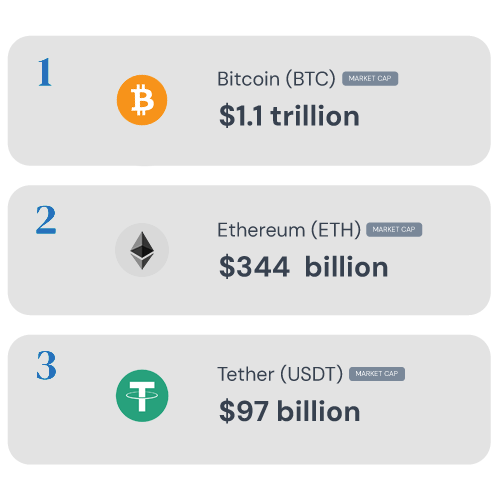
This deliberate selection empowers our liquidity pools to thrive, offering a vibrant marketplace for traders with diverse needs.
As Liquidity Pool providers, we play a pivotal role in shaping the digital asset ecosystem. Our mission is to facilitate secure, efficient, and profitable exchanges between a myriad of digital currencies, all while championing accessibility and user-friendliness in the world of decentralized finance.
We are at the forefront of an exciting financial frontier, poised to drive innovation and usher in an era of financial inclusivity in the digital age. Our commitment to careful asset selection, unwavering security, and established partnerships sets us on a path to redefine how traders and enthusiasts interact with digital assets. We envision a future where anyone can seamlessly navigate the world of decentralized finance, and through our strategic endeavors, we are actively contributing to this transformative journey.
